The Ultimate Guide to Planning a Successful Corporate Conference
Whether you’re planning a leadership summit, annual conference, sales meeting, industry forum or company-wide strategy session, successful conferences don’t happen by chance. They are the result of careful planning, experienced project management and countless details working together seamlessly.
At Aleit Events, we’ve spent more than two decades delivering conferences and corporate events across South Africa. We’ve learned that while every event is unique, the planning fundamentals remain the same.
If you’re preparing for your next conference, use this comprehensive checklist to ensure nothing gets overlooked.
Why is conference planning important?
A well-planned conference does more than bring people together. It strengthens relationships, communicates business strategy, inspires teams and leaves a lasting impression on delegates.
Professional conference planning helps organisations:
- Deliver a seamless guest experience
- Stay within budget
- Reduce operational risks
- Maximise delegate engagement
- Protect brand reputation
- Ensure every detail supports business objectives

Conference Planning Checklist
1. Define the Purpose of Your Conference
Before booking a venue or contacting suppliers, establish exactly what success looks like.
Ask yourself:
- What are we trying to achieve?
- Who is our audience?
- What should delegates learn?
- What actions should attendees take afterwards?
- How will success be measured?
A clear objective guides every decision that follows.

2. Establish Your Budget
Your budget influences almost every aspect of the event.
Consider allocating funds for:
- Venue hire
- Catering
- Accommodation
- Audio visual production
- Event design and branding
- Registration systems
- Entertainment
- Guest speakers
- Photography and videography
- Transport
- Event staffing
- Gifts and delegate packs
- Contingency planning
Working with an experienced event management company like Aleit Events often helps identify cost-saving opportunities while maintaining quality.

3. Choose the Right Venue
Your venue sets the tone for the entire conference.
When evaluating venues, consider:
- Capacity
- Accessibility
- Parking
- Accommodation options
- Technology infrastructure
- Breakaway rooms
- Networking spaces
- Catering facilities
- Accessibility requirements
- Branding opportunities
The ideal venue should support both your programme and your delegates’ experience.
4. Develop a Detailed Project Timeline
Successful conferences are planned months in advance.
Typical planning milestones include:
- Confirm event objectives
- Secure venue
- Confirm budget
- Appoint suppliers
- Launch registrations
- Finalise speakers
- Design event branding
- Produce signage
- Confirm menus
- Final technical rehearsals
- Delegate communications
- Event day operations
- Post-event reporting
A detailed project timeline keeps every stakeholder aligned.

5. Create an Engaging Programme
Today’s delegates expect more than presentations.
Build a programme that balances:
- Keynote speakers
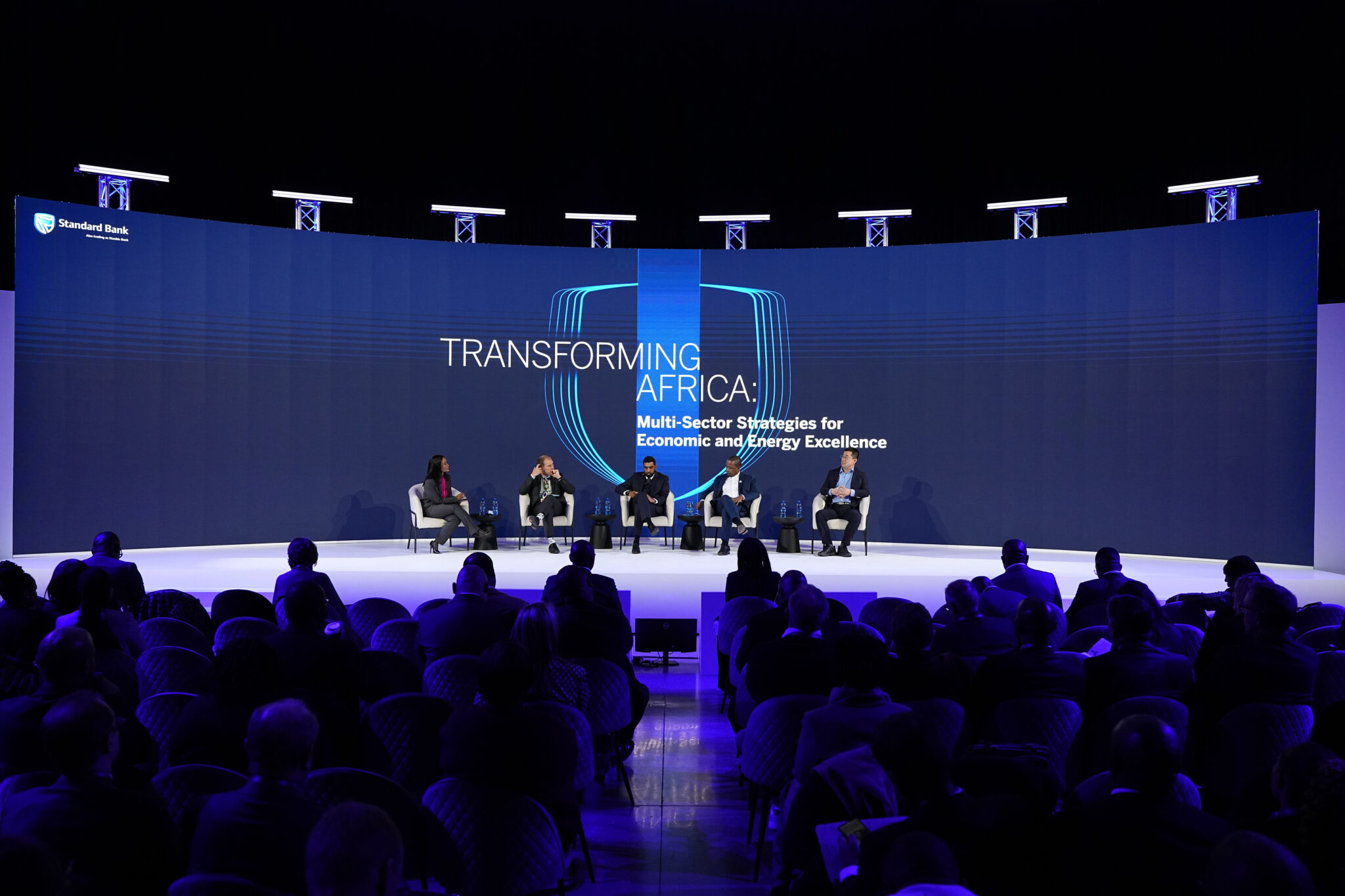
- Panel discussions
- Interactive workshops
- Networking sessions
- Breaks
- Entertainment
- Product demonstrations
- Question and answer sessions
Energy management throughout the day is just as important as content.
6. Manage Delegate Registration
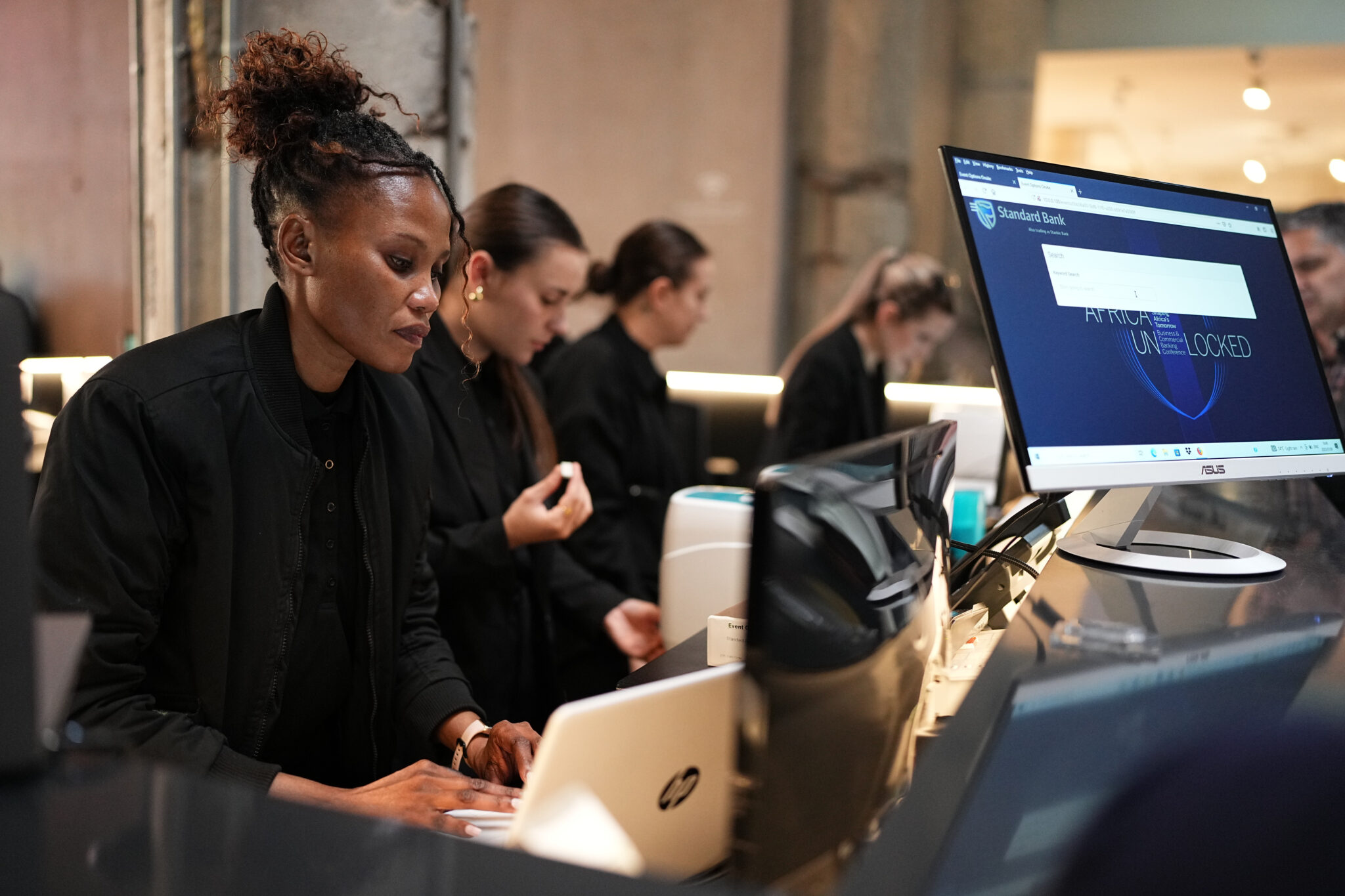
An efficient registration process creates a positive first impression.
Include:
- Online registration
- Confirmation emails
- Calendar invitations
- Dietary requirements
- Accessibility requests
- Name badges
- QR code check-in
- Welcome packs
Simple registration systems reduce queues and improve the guest experience.


7. Coordinate Suppliers
Corporate conferences often involve multiple specialist suppliers.
These may include:
- Audio visual production
- Furniture hire
- Event décor
- Floral installations
- Printing
- Photography
- Videography
- Entertainment
- Catering
- Event staffing
- Security
- Transport
Centralised supplier management ensures everyone works towards the same timeline and objectives.
8. Plan Your Conference Branding
Strong event branding creates a memorable delegate experience.
Consider:
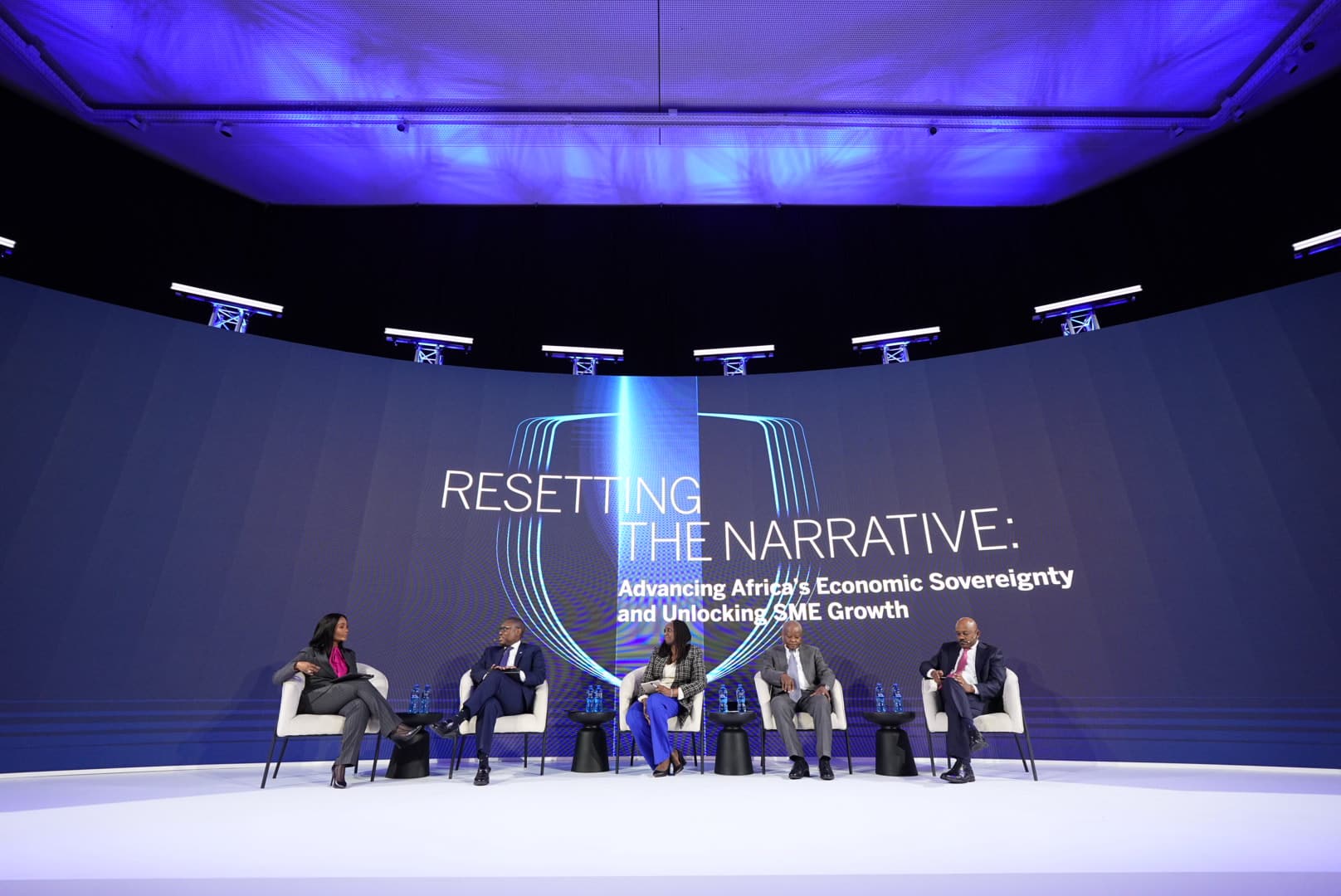
- Stage design
- Registration areas
- Digital presentations
- Signage
- Wayfinding
- Delegate packs
- Name badges
- Exhibition spaces
- Social media content
- Event photography backdrops
Every touchpoint should reinforce your organisation’s brand.

9. Prepare for the Unexpected
Experienced event planners always have contingency plans.
Think about:
- Backup AV equipment
- Speaker cancellations
- Load shedding
- Weather changes
- Medical emergencies
- Traffic delays
- Internet disruptions
- Venue contingencies
Risk management is an essential part of professional conference planning.
10. Focus on the Delegate Experience
Great conferences are remembered because of how they made people feel.
Consider the entire delegate journey:
Before the event
- Clear communication
- Easy registration
- Helpful reminders
During the event
- Friendly welcome
- Efficient registration
- Comfortable seating
- Excellent food and refreshments
- Seamless transitions
- Opportunities to connect
After the event
- Thank-you communication
- Presentation downloads
- Event photography
- Feedback surveys
- Follow-up content
A memorable conference extends well beyond the closing session.


Why Work with a Professional Conference Planner?
Corporate conferences involve hundreds of moving parts. Managing suppliers, logistics, budgets, production and guest experience simultaneously requires experience, creativity and meticulous attention to detail.
A professional conference planning partner allows your internal team to focus on engaging with delegates while experienced event specialists manage every operational detail behind the scenes.
From concept development and venue sourcing to technical production, event design, supplier management and on-site coordination, professional event planners ensure your conference achieves its objectives while delivering an exceptional experience.
Frequently Asked Questions
Plan Your Next Conference with Confidence
Whether you’re hosting an executive strategy session for 30 delegates or a multi-day conference for hundreds of attendees, thoughtful planning is the foundation of a successful event.
At Aleit Events, we combine strategic thinking, creative event design and flawless execution to deliver conferences that inspire, connect and achieve measurable business outcomes.
If you’re planning your next corporate conference, we’d love to help you bring your vision to life.